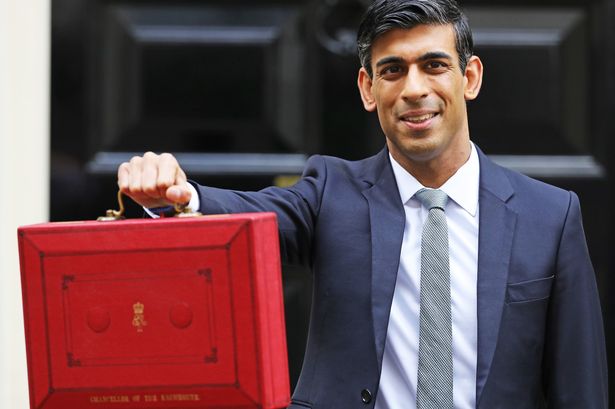

The second Autumn Budget delivered by a Labour government in over a decade has landed, and Chancellor Rachel Reeves says it involves “fair and necessary” choices. But what does that actually mean for UK businesses and individuals? Here’s our quick, no-nonsense take.
Here’s what you need to know following the 2025 Autumn Budget:
Dividend, Property, Savings Income & Other Capital-Income Tax Hikes
- Dividend tax rates, property income tax and savings income tax are being increased (often cited as a +2 percentage points increase for dividends; similar rises on other passive/portfolio-type income from April 2026).
- Dividend rates only see an increase in the basic rate and higher rate to 10.75% and 35.75% respectively.
- Property and Savings Income rates will increase across the board for Basic, Higher and Additional rates to 22%, 42% and 47% respectively.
- These are part of the broader tax-raising measures projected to raise substantial revenue — the overall tax take could reach record highs.
- There were rumours that NI would be charged on property, savings and dividends, but that hasn’t happened.
Our Take:
If you currently take dividend income, or for property-rich business owners (or property businesses), this is a big deal. Net returns on capital and property income take a hit, meaning total personal take-home reduces. That may influence decisions on taking dividends vs reinvesting in the business, or even considering different structures (salary, reinvestment, retention) to offset increased tax burden.
For landlords and property owners, this is yet another announcement from the government, which will impact the bottom line of your business, making property companies look a lot more attractive as an option.
Change to Pension Salary-Sacrifice / Benefit Structure
- The Budget confirms that salary-sacrifice pension arrangements will be reined in: contributions above a certain threshold (notably above £2,000 per year) will lose their full National Insurance exemption from April 2029.
- The move is part of a broader package raising taxes on savings, dividends, property income, and freezing allowances to raise revenue.
Our Take:
If your business uses salary-sacrifice or generous pension/benefit schemes to attract or reward staff, this change could hit hard, especially for higher earners or those with larger pension contributions. Expect employee push-back, and a potential recalibration of benefits packages.
If you are an employee, this change wouldn’t stop you putting the money into a pension over £2,000 through the salary sacrifice scheme, however, it is HMRC wanting their cut for you reducing your tax liability to regain your personal allowance or retain your free 30 hours of childcare.
For example – an employee earning £110,000, who puts £10,000 into a pension scheme would face an NI charge on the additional £8,000 over the £2,000 threshold. This would lead to an NI charge of £160.
High-Value Property Tax / Council Tax Surcharge (Wealth / Asset Tax Grab)
- The Budget introduces a surcharge on council tax / property taxes for high-value properties (homes worth over £2 million), effective from April 2028.
- This is part of a broader move towards wealth and asset taxation to raise revenue without overtly hiking headline tax rates for all.
Our Take:
Business owners and property investors — especially in sectors like construction, real estate, property development, need to take note. Holding high-value residential property becomes more costly over time. Depending on your business model, this could affect investment, holding vs selling decisions, and cash-flow planning. We would suggest you get in touch with us to re-run project and portfolio projections with the surcharge in mind (especially for luxury or high-end portfolios).
James Palmer, Tax Executive, has said this could also have a knock-on effect for high end renters, with landlords potentially passing on these increased costs, despite the additional surcharge being targeted at homeowners.
Electric Vehicles: The New Mileage Tax Arrives
- A new EV mileage charge will be introduced from April 2028.
- 3p per mile for fully electric vehicles.
- 1.5p per mile for plug-in hybrids (initial rate).
- Applies on top of existing Vehicle Excise Duty (VED) — EVs are no longer exempt.
Our Take:
This is the moment EV ownership becomes less of a “cheap to run” perk and more of a cost-planning exercise. SMEs with fleets, company cars or high-mileage staff will need to re-run the numbers fast — especially in construction, property services, sales-driven recruitment and any business that lives on the road.
This move makes EV Company cars, slightly less attractive from an employee perspective due to the increased running costs, however, from a business viewpoint, the allowance against CT for the vehicles themselves and charging points cost has been extended.
Capital Gains Tax relief reduction on Employee Ownership Trusts
- Previously, business owners could sell a qualifying business to an EOT and claim up to 100% CGT relief on the sale.
- Under the 2025 Budget, this relief is reduced to 50%, meaning half of any capital gains on such a sale will now be subject to CGT.
Our Take:
The reduction makes the EOT route less financially attractive for business owners looking to exit. Previously, selling to an EOT could be a tax-efficient way to reward employees while securing a succession plan; now, the personal tax benefit is halved. Businesses already planning a sale via an EOT will need to recalculate potential proceeds and tax liabilities, factoring in the 50% CGT now payable. From an advisory perspective, this change underscores the need to act fast on succession planning, as timing of disposal can materially affect tax outcomes.
| Relief Scenario | Taxable Gain | CGT Payable | Net Proceeds to Owner |
| Up to 100% EOT Relief (old) | £0 | £0 | £5,000,000 |
| 50% EOT Relief (new) | £2,500,000 | £500,000 | £4,500,000 |
Overseas / Voluntary NIC: What’s Changing
- From 6 April 2026, the government will remove the ability for individuals living abroad to pay voluntary Class 2 National Insurance Contributions (NICs) — effectively ending the route for overseas residents to keep their UK NIC record ticking.
- This is done by removing the ability for overseas residents to pay Class 2 NIC, and increasing the timeframe an individual must have worked in the UK from 5 years to 10 years.
- This change is part of a broader reform of NIC rules and thresholds.
Our Take:
This will impact non-UK residents who worked in the UK for a short period of time, but who are looking to secure their UK state pension or increase their pension payouts. Once the new requirements are announced fully, we will be able to guide you through the process prior to these rule changes in April 2026.
National Minimum Wage and Living Wage Increases
From 1 April 2026:
- NLW (21+) rises to £12.71/hr (+4.1%)
- NMW (18–20) rises to £10.85/hr (+8.5%)
- NMW (16–17 / apprentices) rises to £8.00/hr (+6%)
Our Take:
A welcome boost for young and low-paid workers, but SMEs will feel the impact on payrolls. Think strategically: review staffing, forecast payroll costs, and consider how hiring models might need to adapt. Higher costs may push some employers toward cheaper options such as apprenticeships, so plan ahead.
Capital Allowance Changes
The Chancellor has confirmed several updates to Capital Allowances that SMEs need on their radar:
- New 40% First-Year Allowance (FYA) for main-rate assets purchased for leasing and by unincorporated businesses.
- Writing Down Allowances (WDA) are being reduced:
- Main Rate: from 18% → 14%
- Special Rate: unchanged
- AIA (Annual Investment Allowance) remains at £1 million, unchanged.
- Full Expensing continues, but these changes tighten the generosity of relief in certain areas.
Our Take:
The new 40% FYA offers a small win for leasing-heavy sectors and sole traders, but the drop in Writing Down Allowances means long-term tax relief on capital investment will erode faster. In plain English:
- big purchases on finance lease may now take longer to write off
- financing vs buying outright becomes an even more important strategic decision
If you plan significant investment in equipment, vehicles (not cars), or assets over the next 12–24 months, timing is now part of your tax strategy. Make sure you model scenarios properly — the difference between investing this year vs next could meaningfully affect cash flow.
Income Tax Threshold Freeze (Fiscal Drag)
- Rachel Reeves has confirmed that income-tax personal allowances and thresholds will be frozen until the 2030/31 tax year.
- That means as pay packets rise (e.g. with inflation or wage increases), more income will be taxed at higher rates, so many individuals will see higher effective tax, even without a nominal rise in tax rates.
Our Take:
This is a stealth tax hike. For SMEs, it doesn’t directly raise corporate tax, but it affects your people. Employees at a higher or additional rate will likely feel heavier tax burdens, which could dent take-home pay or increase pressure on companies to raise gross pay to keep net remuneration competitive. If you rely on talent retention or recruitment (especially in growth sectors like tech, media/entertainment or professional services), this could force a rethink of remuneration packages, or risk losing staff as real incomes get squeezed.
Spotlight: The Positives
Even in a Budget packed with tax shifts and cost pressures, a few headline wins stand out — and they’re worth celebrating.
- ISA Reform for Savers (from 2027)
Reeves has confirmed a major shake-up to the ISA system — keeping the full £20,000 annual allowance, but ring-fencing £8,000 exclusively for investment through stocks and shares. However, this will not apply to any individual over 65, who will retain the full use of £20,000 into cash ISAs.
- Funding Boost for Schools
Reeves confirmed £5 million for secondary school libraries and £18 million to upgrade playgrounds across Britain— a welcome injection after years of squeezed school budgets.
- Fairness Measures on Inheritance Tax & Pensions
Payments made to victims of the infected blood scandal will now be exempt from inheritance tax — a humane and long-overdue correction.
Reeves also committed to indexing pre-1997 pension accruals to inflation, protecting older pensioners whose retirement income has fallen steadily behind the cost of living.
- EIS & VCT Extension and Upgrades
The government has extended EIS and VCT schemes until 5 April 2035, giving long-term certainty for investors and SMEs seeking growth capital. Company size and investment thresholds are being scaled up from April 2026, meaning more firms can qualify. While the upfront VCT income-tax relief drops from 30% to 20%, the overall move strengthens the UK growth-investment ecosystem — a win for SMEs aiming to scale.
- EMI Share Option Scheme Expansion
EMI eligibility is being broadened to larger scale-ups, and the value ceiling of options is being raised — making equity-based incentives more attractive to growing businesses. Existing EMI contracts can also adopt new flexible liquidity mechanisms (PISCES), giving employees better ways to realise value. This is a boost for SMEs competing for top talent.
Nordens remains ready to support SMEs in navigating these new fiscal policies, ensuring that businesses can continue to thrive in this evolving economic landscape.
As more information about the Budget announcements get released we will be sharing all of the details you need to know about how these changes impact your business. Stay tuned!
If you need more advice and information on how it affects your business specifically, book a free consultation today!