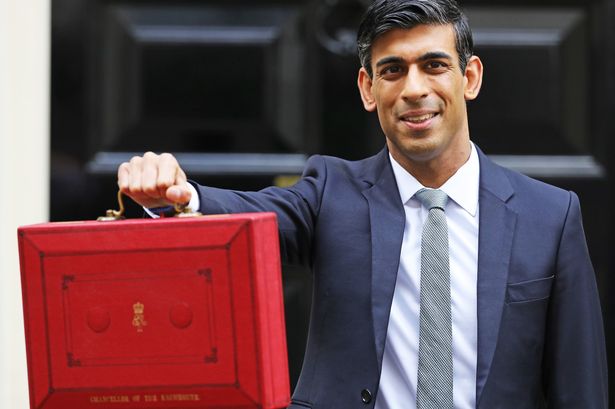

The government has confirmed the long-anticipated rises to the National Minimum and Living Wage — and if you run an SME, it’s time to pay attention. Chancellor Rachel Reeves says these changes are “fair and necessary,” but for business owners juggling tight margins, the reality is a little more complicated.
The Numbers: What’s Changing
From 1 April 2026, the new rates are:
- National Living Wage (21+): £12.71/hr (+4.1%)
- National Minimum Wage (18–20): £10.85/hr (+8.5%)
- National Minimum Wage (16–17 & apprentices): £8.00/hr (+6%)
These increases will put more money in the pockets of around 2.4 million low-paid workers, and are part of the government’s plan to eventually phase out the 18–20 wage band in favour of a single adult rate.
What this means for SMEs
Good news for employees, but for SMEs, the rises represent a tangible cost increase. Payroll budgets will grow, and businesses may need to rethink staffing structures, hiring plans, and overall workforce strategy.
In particular:
- Cashflow planning is critical — don’t wait until April 2026 to realise these increases affect your bottom line.
- Labour-heavy industries (construction, recruitment, hospitality, property management, media & entertainment) will feel the impact most sharply.
- Some employers might look for cheaper labour alternatives, such as apprenticeships or contract arrangements, to offset costs.
Our Advice?
- Stress-test cash flow — particularly for SMEs with seasonal income or tight margins.
- Run payroll forecasts for the next 12–18 months to see the real impact.
- Review hiring models — consider where apprenticeships or internal development schemes could work without compromising talent quality.
- Assess pricing — for businesses providing services, small cost increases may need to be reflected in client fees.
As the NLW/NMW increases are inevitable, but their impact doesn’t have to catch you off guard. Plan now, communicate clearly with your teams, and adjust your financial strategies accordingly.
Speaking with an accountant or payroll specialist can help you navigate these changes effectively and ensure your business remains compliant with the updated regulations.
We hope this has outlined the new rates for the National Minimum Wage for 2026 onwards. If you’d like to know any further information on anything mentioned, or anything accounting related for that matter, please do not hesitate to get in contact with us at Nordens, where one of our trusted advisors would be happy talking you through your query.