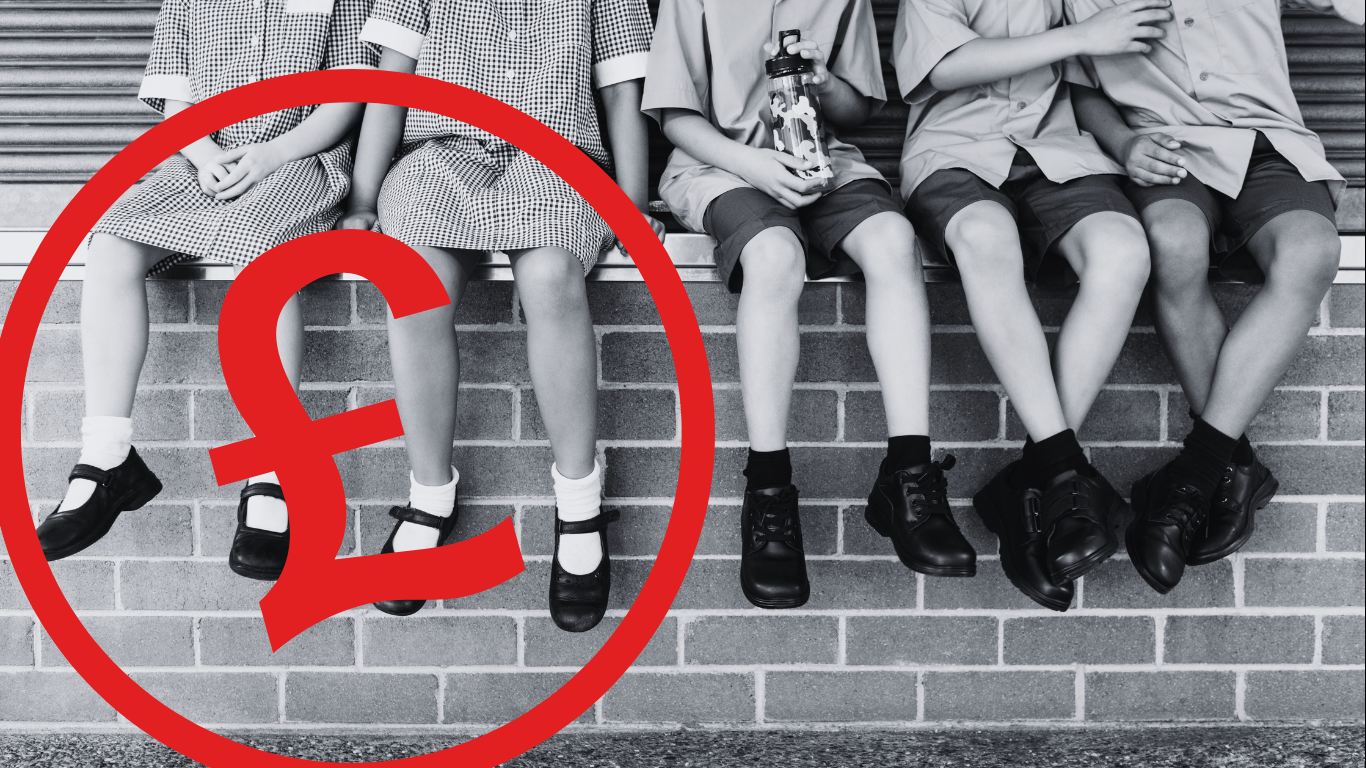

Clarks, one of the UK’s most established footwear brands, has made headlines after revealing a significant financial setback. The company reported a drop in revenue from £994.5 million in 2023 to £901.3 million in 2024, representing a near £100 million decline, which is a sales drop. In addition, Clarks posted a pre-tax loss of £39.2 million, closely mirroring its previous year’s loss of £39.8 million. These figures highlight the scale of the challenges faced by retailers in an increasingly volatile market.
The financial strain has forced the Somerset-based retailer to make tough decisions, including the reduction of its workforce by more than 1,200 roles, bringing its total headcount down to 6,161. According to its latest annual report, the losses were driven by a combination of external and internal pressures, from shifting consumer behaviour to global economic uncertainty. Clarks also absorbed a £32.1 million impairment on store assets, which further weighed on profitability.
Why Did This Happen?
A number of factors contributed to Clarks’ financial difficulties, many of which mirror challenges faced by businesses across the UK. Externally, 2024 was marked by high levels of political and economic instability. Major elections across the United States, the United Kingdom, the European Union and other regions created uncertainty that influenced consumer spending habits. Rising inflation, coupled with ongoing geopolitical conflicts, weakened household confidence and reduced discretionary spending on non-essential items such as footwear.
Internally, Clarks has had to contend with the structural challenges of operating in the traditional retail space. The continued shift towards online shopping has intensified competition and placed pressure on physical store models. While Clarks has invested in e-commerce capabilities, balancing a large store footprint with a modern digital approach requires considerable financial and operational flexibility, something that proved difficult during a year of declining revenue.
Strategic Response
Despite these challenges, Clarks has framed 2024 as a ‘year of transition’ with a focus on restoring the business to sustainable growth. The company has undertaken a comprehensive review of its operations, implementing cost rationalisation measures to align overheads with the current level of demand. Marketing strategies are being revised to reflect changing consumer behaviours, and efforts are being made to reposition the product range to meet evolving market expectations.
The retailer has also acknowledged the importance of preparing for long-term recovery. Its stated aim is to ‘fix the foundations for our future’, which includes setting the business up for profitable growth in 2025. While the departure of CEO Jon Ram in April 2024 created an additional layer of uncertainty, Clarks is now being managed by an interim executive committee as it seeks new leadership to steer the business forward.
What Can Business Owners Learn from This?
Clarks’ experience serves as a critical reminder that even heritage brands are not immune to market shocks. For business owners, there are several key lessons to consider:
- Adaptability is non-negotiable: Consumer trends are evolving at speed. Businesses must be agile enough to pivot their models in response to market signals.
- Financial forecasting is essential: Regular cash flow planning and scenario analysis can help businesses anticipate risks and respond before problems escalate.
- Diversification reduces risk: Relying heavily on one channel or revenue stream can expose a business to heightened vulnerability during periods of disruption.
- Efficiency should be proactive, not reactive: Waiting until a crisis forces cost-cutting can lead to more severe measures, including redundancies and asset impairments.
How Nordens Can Help
At Nordens, we understand that resilience is built on foresight, strategy and flexibility. Our team works with businesses to develop robust financial plans and operational strategies that protect against uncertainty and position them for sustainable growth. Whether you need guidance on cash flow forecasting, restructuring, or future-proofing your business model, we are here to help.
📞 Contact us today to learn how we can support your business through both challenges and opportunities.