
Nearly seven years after the Grenfell tragedy, thousands of UK buildings are still wrapped in unsafe cladding – and residents are footing the bill. But one cost is adding even more pressure to already stretched finances: VAT. Despite being a tool that could offer relief, VAT has been left untouched in the government’s cladding response. This article explores why – and what could change.
What Is VAT?
VAT (Value Added Tax) is a tax charged on most goods and services in the UK. The standard rate is 20 percent, although some products benefit from reduced or zero rates, such as children’s clothes or energy-saving materials. For VAT-registered businesses, the tax can usually be reclaimed. But for individuals, leaseholders, or companies not registered for VAT, the tax becomes an added cost – often a substantial one in large-scale projects.
What Is the Cladding Crisis?
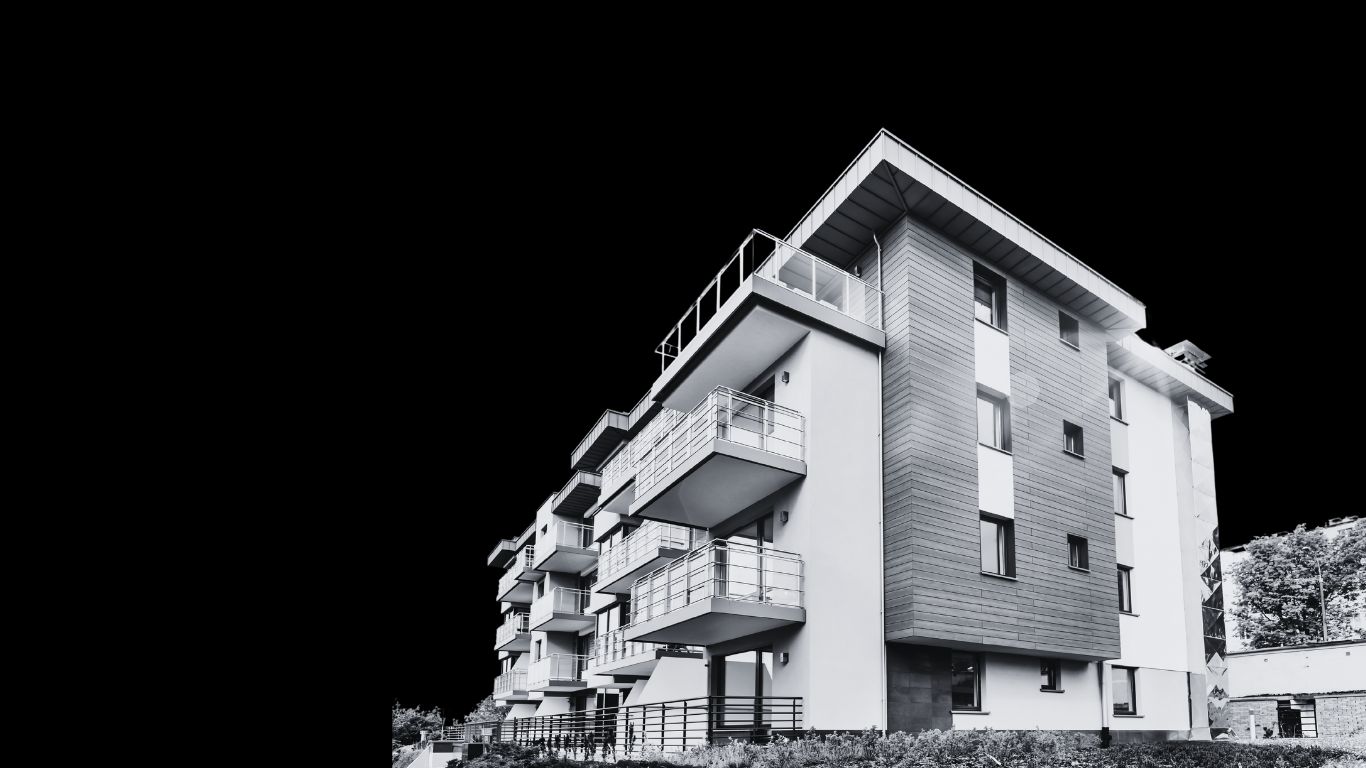
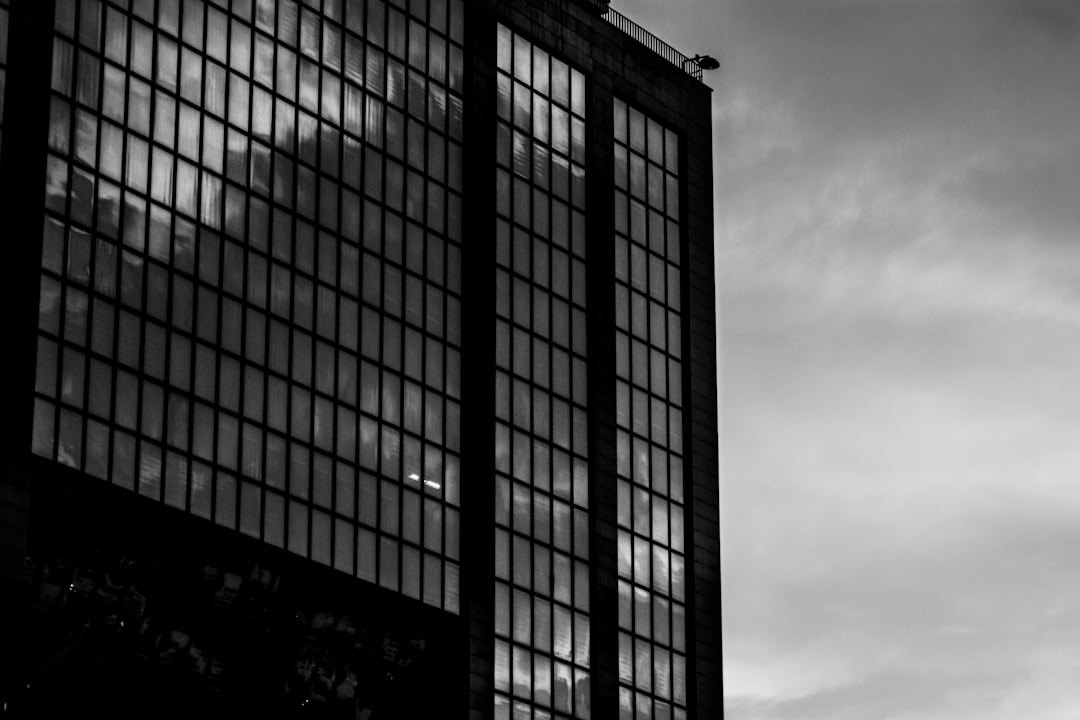
The cladding crisis refers to the widespread use of unsafe exterior materials on high-rise buildings. After Grenfell, it became clear that many of these materials posed serious fire risks. While the government introduced several funding schemes and regulations to support remediation, thousands of buildings remain affected. Most dangerously, many leaseholders are still being asked to cover the costs of removing and replacing unsafe cladding – costs which often include VAT at the full 20% rate.
The Financial Strain of Remediation
Fixing unsafe cladding is not cheap. Estimates suggest the total cost for buildings over 11 metres in England could reach between £12.6 billion and £22.4 billion. So far, the government has pledged around £5.1 billion, leaving a considerable gap.
VAT only makes the situation worse. Because most remediation works do not qualify for any VAT relief, the tax becomes an extra charge of hundreds of thousands of pounds per project – even for buildings where the work is safety-critical. That cost is typically paid by leaseholders, landlords, or housing providers who cannot recover it.
Why VAT Relief Rarely Applies
1. It is not treated as snagging
HMRC takes a very narrow view of what counts as snagging – meaning small defects corrected shortly after construction. Even though cladding faults are often due to original design or construction flaws, HMRC does not consider work carried out years later as part of the original build. This rules out the chance for VAT-free or zero-rated treatment.
2. The original developer is often no longer trading
In some cases, VAT relief might be possible if the original developer still owns the property or granted a long lease. But most developers involved in affected buildings have ceased trading or transferred ownership. This makes relief difficult or impossible to apply. The most recent HMRC guidance in December 2024 offered little clarity and did not expand eligibility.
3. Cladding is not considered energy-saving
Cladding materials could, in theory, fall under the zero-rated category for energy-saving improvements. However, HMRC argues that cladding is mainly structural or aesthetic, not thermal, so the relief does not apply.
A Missed Opportunity for Relief
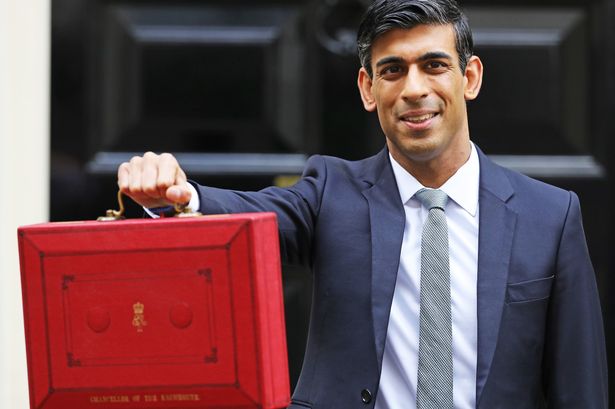
VAT is more than just a revenue generator. It is also used by the government to shape behaviour, encourage green improvements, or support certain industries. For example, solar panels are zero-rated to promote environmental impact. Sugary drinks are taxed higher to reduce public health risks.
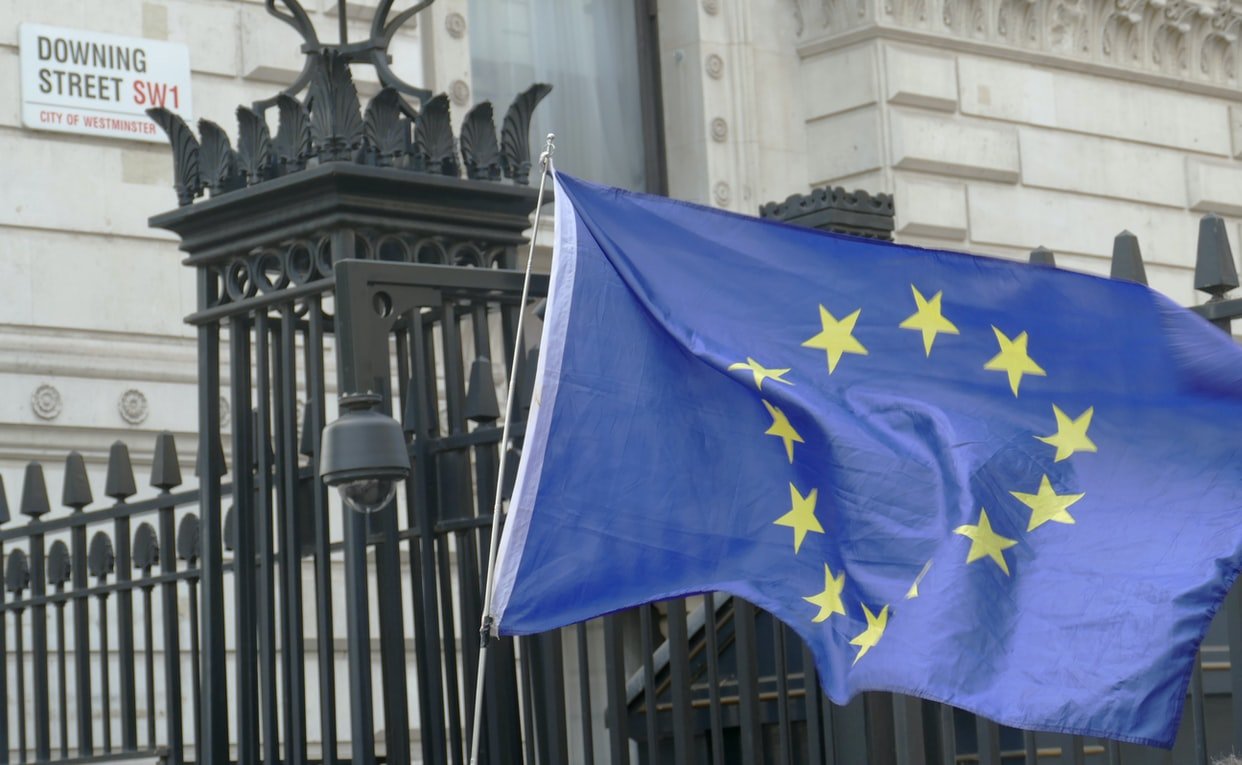
The cladding crisis should have triggered a similar approach. Post-Brexit, the UK has more freedom to change VAT laws – including the option to zero-rate specific goods and services. If the government had chosen to classify cladding as having insulating value, or introduced targeted relief for safety-critical works, leaseholders and housing providers could have avoided a large share of these costs.
But so far, that opportunity has not been taken.
What Needs to Change?
It is still possible for the government to rethink its stance. Whether by revising HMRC guidance or passing new legislation, VAT could be used more flexibly to support people living in unsafe buildings. A well-structured relief scheme could apply to essential remediation only, with safeguards in place – helping reduce pressure on residents and prevent further financial hardship.
Final Thoughts – What Does This Mean for You?
The cladding crisis is more than a construction issue. It is a long-term financial and emotional burden for thousands of people. VAT has only added to that pressure – despite the clear ability to offer relief.
At Nordens, we believe that financial systems should protect people, not make things harder. Whether you are a leaseholder, landlord, property developer or business owner facing unexpected costs, we are here to help. From tax reviews to business planning and financial forecasts, we provide honest advice that helps you stay in control.
We are not just here to inform… we are here to support.
👉 Click here to get in touch with Nordens today. Let us help you take the next step.