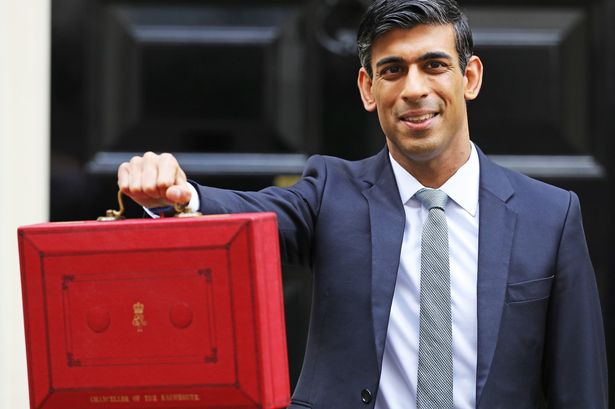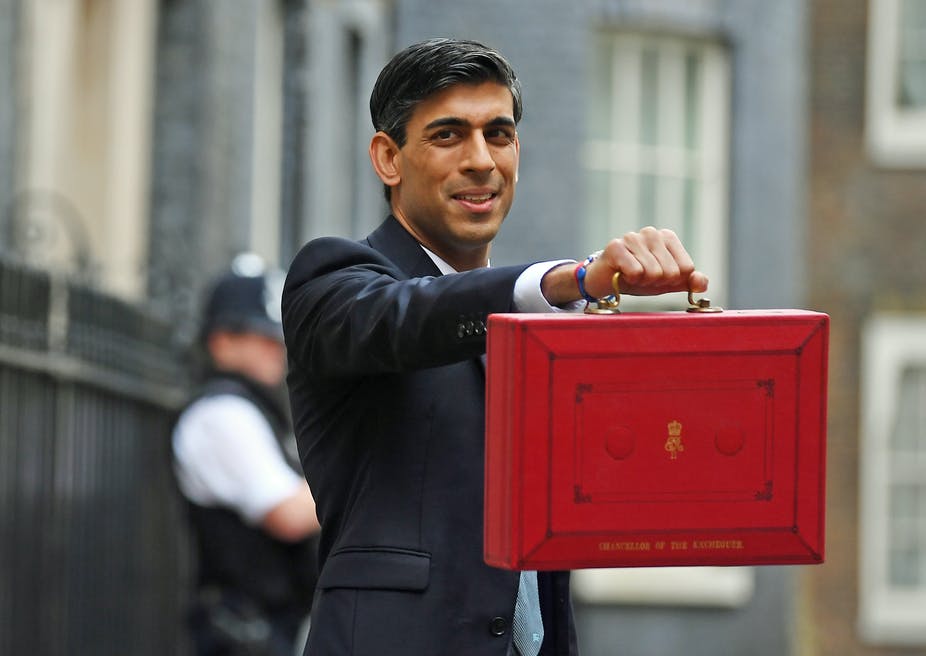

Earlier this month, Chancellor Rachel Reeves delivered her first Spending Review since stepping into the role. This review sets out how the government plans to spend money across key sectors like defence, housing, energy, and skills development over the next few years.
But behind the bold pledges and billions in funding lies a serious concern: where is the money going to come from?
Let’s break it down so you can understand how this affects you or your business.
What Is a Spending Review?
A Spending Review is when the government takes a deep look at its finances and sets out plans for how public money will be spent. This includes budgets for things like the NHS, education, transport, energy, and defence. It usually happens every few years, but sometimes a new government or Chancellor will hold one sooner to shift priorities or tackle urgent problems.
Rachel Reeves has made it clear that she wants to focus on long-term growth, stability, and improving public services. But doing this during a time of high government debt and interest payments makes things complicated.
Why Is This Happening Now?
The UK economy has been under pressure for years. There’s been the pandemic, inflation, energy costs, and rising interest rates. Public services are stretched thin. Roads, hospitals, housing projects, and education systems have all felt the strain.
Rachel Reeves has come in with a promise to fix this. She’s announced huge investment plans, including:
- £11 billion extra per year for the defence budget
- £1.2 billion towards training and apprenticeships
- More spending on nuclear energy, carbon capture, and green growth
- Support for housing, infrastructure, and transport projects
These are all meant to boost growth and rebuild the UK’s economic strength, but there’s a catch.
What’s the Catch?
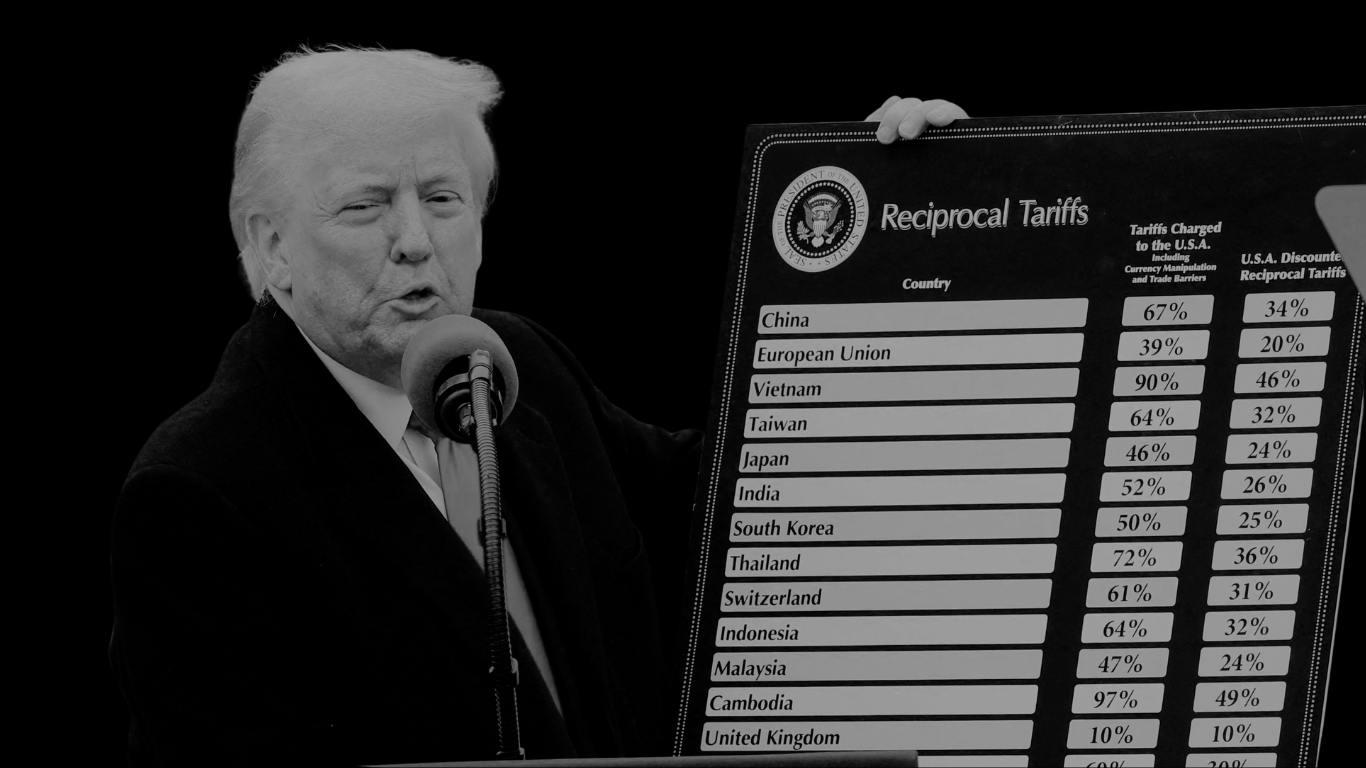
Money doesn’t appear out of nowhere. Experts like Blick Rothenberg have already warned that these big promises could mean significant tax rises in the near future.
For example, just the defence uplift alone could be equal to a 1.5p rise in the basic rate of income tax. That doesn’t include any of the other big projects announced.
The government could try to borrow more, but interest on public debt is already at record highs. This puts more pressure on the Treasury to find other ways to fund spending and the most likely option is raising taxes on individuals and businesses.
What Does This Mean for You?
Even if you don’t follow politics closely, these decisions shape your life and your finances.
- If you run a business, the cost of employing people could rise (as it did earlier this year with employer NIC increases).
- If you’re self-employed or a contractor, tax thresholds might shift in the next Budget.
- If you’re trying to save or invest, inflation and interest rates could still affect your plans.
- If you’re hiring or upskilling, apprenticeship funding might be available but hard to access.
These kinds of government reviews are a signal that change is coming. The exact impact will depend on the Budget later this year, but now is the time to start thinking ahead.
How Nordens Can Help
At Nordens, we’re here to help you understand what government policy means for your real life… not just in headlines. Whether it’s financial planning, business strategy, or preparing for future changes, we give clear advice tailored to your situation.
Got a question or need a plan for what could be coming next?
Visit our Contact page to explore all the ways you can reach out to our team directly.
We’ll help you stay one step ahead, so you’re not just reacting to the news, you’re ready for it.