
Fraud in the construction industry is becoming a growing concern across the UK. With HMRC tightening its focus on tax evasion and compliance, a recent case involving £22 million in stolen taxpayer money shows just how damaging economic crime can be… both to public finances and to the reputation of a whole sector.
What is the Construction Industry?
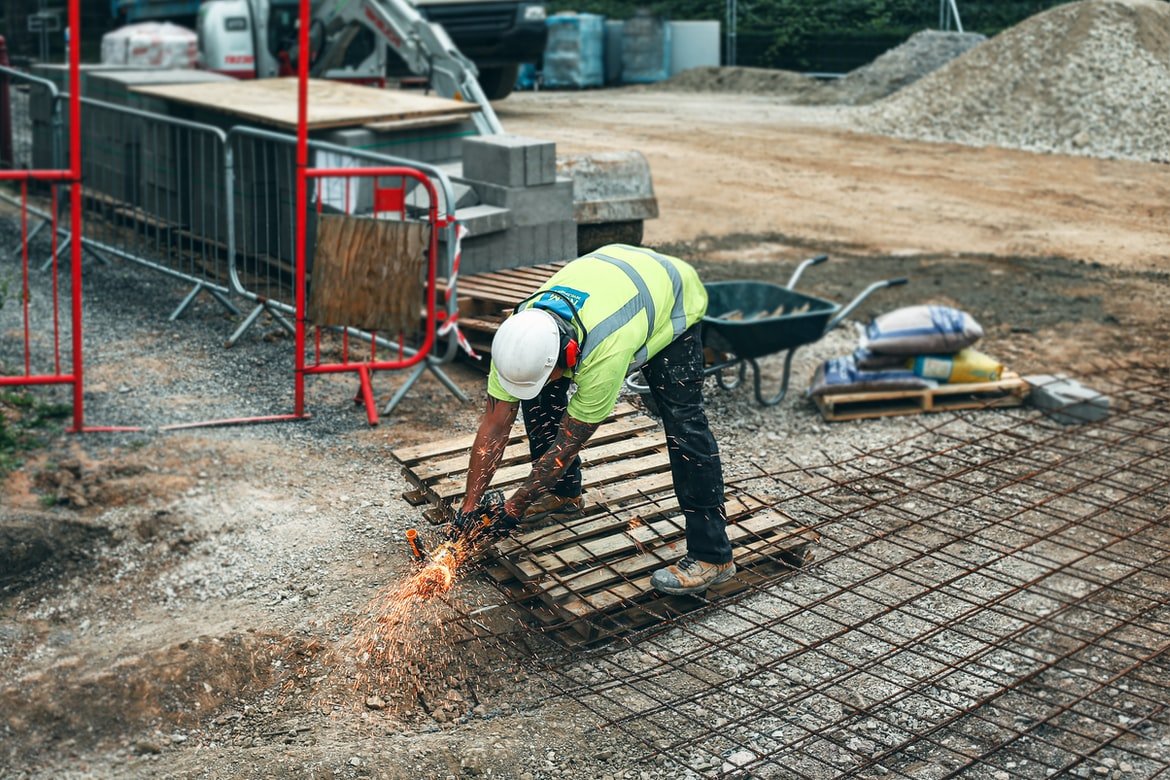
The construction industry covers everything related to building, repairing, or maintaining structures and infrastructure. This includes:
- Property development
- Housing and commercial builds
- Civil engineering (like roads and bridges)
- Specialist services (plumbing, electrics, scaffolding, roofing, etc.)
- Site management, subcontractors, and labour suppliers
It’s one of the UK’s most essential industries, employing millions and directly supporting economic growth and regeneration.
But with so many moving parts… from subcontractors to tax obligations… it also faces a higher risk of fraud if proper controls are not in place.
The Story Behind the Fraud
In February 2025, seven individuals linked to the construction sector were sentenced for their role in a complex tax fraud and money laundering scheme.
The operation involved fake payroll companies that issued invoices including VAT and Construction Industry Scheme (CIS) deductions… charges that should have been passed to HMRC.
Instead, the group pocketed the tax money themselves.
Over time, this scheme drained an estimated £22 million from HMRC and the British taxpayer.
Who Was Involved?
The following individuals received prison sentences for their roles in the fraud:
- Daniel Newton, Philip Bailey and Sean Dean – masterminded the setup and control of fake companies
- Kevin Ratcliffe – acted as a director of a ‘customer’ firm that benefited from kickbacks
- Lee Hudson – ran the administrative side of the fraud
- Sarah Gillard and Bradley Mortimer - helped launder the money through personal accounts
Each person played a part in enabling the fraud to continue and hide in plain sight.
Why It Matters for the Industry
This isn’t just about criminal behaviour, it’s about what happens when financial controls are weak or overlooked.
In the construction sector, where there are often dozens of suppliers, contractors, and intermediaries, there’s a greater chance for systems to be manipulated.
£22 million is not just lost money – it’s money that could have funded schools, hospitals, transport, or social care. These crimes take from all of us.
What Construction Firms Should Learn from This
Whether you’re a director, subcontractor, or admin lead, this case is a reminder to take tax compliance seriously. You should:
- Keep payroll and subcontractor payments fully transparent
- Use approved systems and tools to manage VAT and financial reporting
- Speak to professionals who understand construction-specific risks
- Ensure your records are up to date and ready for HMRC review at any time
Even if you’re not directly involved in fraud, poor oversight can still get you into trouble.
How Nordens Can Support You
At Nordens, we work closely with construction and property businesses to make sure they stay compliant, efficient, and protected.
Whether you’re unsure about sub-contractor obligations, VAT returns, CIS contributions, or just want peace of mind over your financial systems – we’re here to help.
We keep you ahead of the risks, so you can focus on building with confidence.