
The Office for Budget Responsibility (OBR) has issued a stark warning to the Treasury, suggesting that further tax increases could hinder the UK’s economic growth and weaken the government’s ability to deliver on its long-term plans.
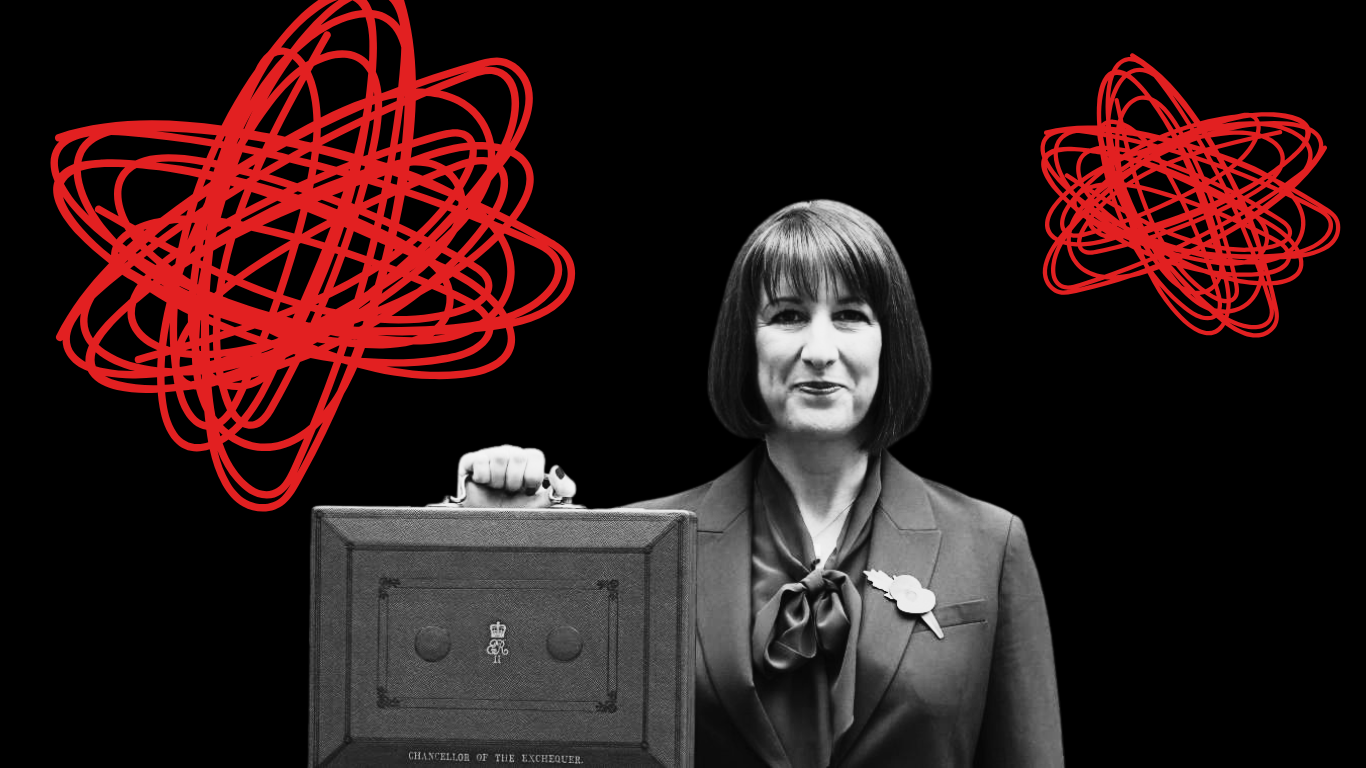
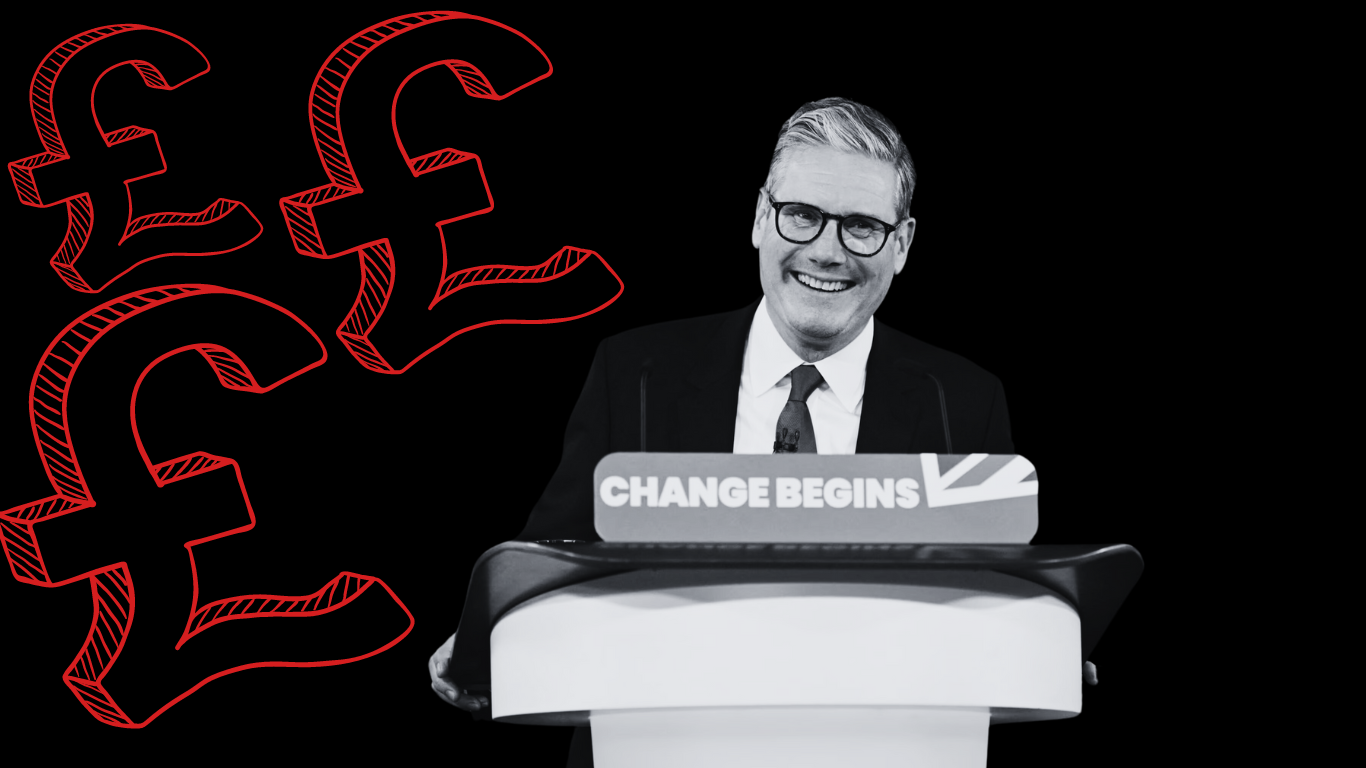
Appearing before the Treasury Select Committee, OBR Chair Richard Hughes highlighted that Britain’s tax burden is nearing an all-time high. While Chancellor Rachel Reeves is expected to raise taxes in the upcoming Autumn Budget, Hughes cautioned that this approach could work against her stated goal of stimulating growth.
Why Are Taxes Rising?
Rachel Reeves has signalled that “difficult choices” lie ahead. The government faces significant financial pressure, and several key factors explain why higher taxes are under consideration:
- Higher borrowing costs: Servicing the national debt has become one of the government’s largest expenses due to higher interest rates.
- Unfunded spending commitments: Welfare costs and demand for public services continue to rise, requiring additional revenue to avoid breaching fiscal rules.
- Limited fiscal headroom: The UK currently has just £9.9 billion in headroom, leaving little margin for economic shocks.
- Rebuilding credibility with markets: After past financial turbulence, the government wants to restore investor confidence and maintain stability in bond markets.
Analysts predict Reeves may need to raise up to £30 billion through new measures. Options being discussed include a wealth tax and an increase in the corporation tax surcharge on banks.
The Pressure to Raise Taxes
These measures aim to restore fiscal credibility, strengthen the government’s financial buffer and reassure bond markets. However, the OBR argues that over-reliance on tax increases could reduce the economy’s capacity to expand, particularly if investment in research and development is affected.
“There are choices and trade-offs,” Hughes told MPs. “Higher and higher levels of taxes are not good for growth.”
Growth Forecast Downgrades Ahead
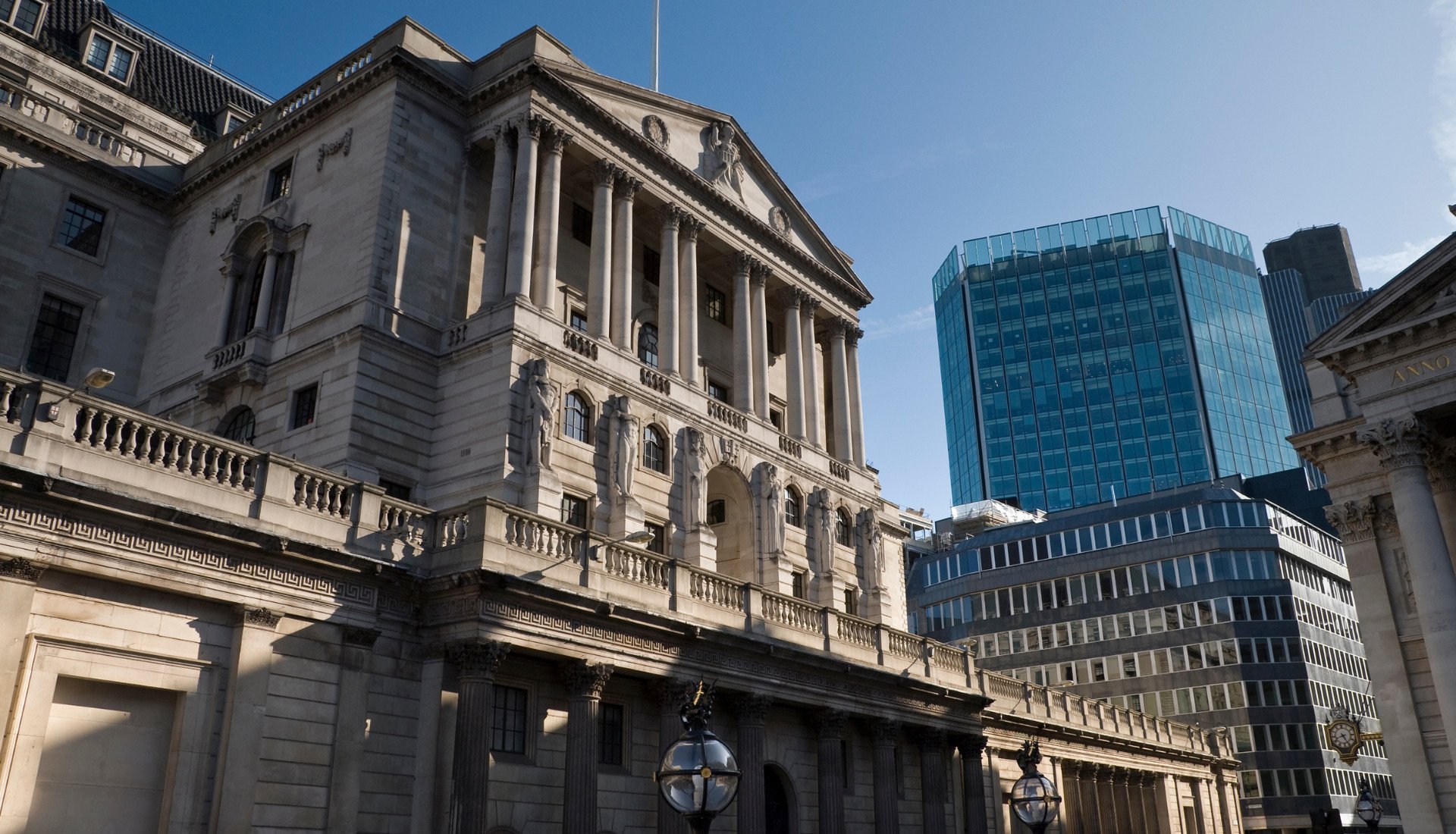
The OBR is widely expected to lower its growth forecasts, adding further pressure on the Chancellor. Current fiscal headroom depends heavily on productivity returning to pre-pandemic levels, an outlook that some experts believe is overly optimistic compared with the Bank of England’s projections.
To offset the impact of tax increases, Reeves is promoting the Leeds Reforms, which include deregulation and initiatives to encourage retail investment. However, the challenge of balancing fiscal discipline with economic stimulation remains significant.
The Bigger Picture
The Institute for Fiscal Studies (IFS) has urged policymakers to move beyond short-term fixes aimed at maintaining limited fiscal headroom. Speaking at an Institute for Government event, IFS Director Helen Miller said:
“We need better designed policies and, critically, stronger economic growth. While growth won’t remove the need for tough trade-offs, it makes them far more manageable.”
Meanwhile, structural risks persist. The OBR has warned that waning demand for UK government bonds, traditionally supported by pension funds, could drive up borrowing costs by as much as £20 billion. This is likely to increase reliance on short-term debt issuance, adding further complexity to fiscal management.
What Does This Mean for Businesses?
For UK businesses, particularly SMEs, uncertainty around tax policy makes strategic planning essential. Changes to corporation tax, allowances and other fiscal measures could have a major impact on cash flow and growth plans.
At Nordens, we believe that planning and proactive advisory support are critical in this environment. Our team is closely monitoring developments ahead of the Autumn Budget and can help your business prepare for potential tax changes while identifying growth opportunities.
Need guidance on financial strategy or strategic planning for your business?
Contact Nordens today to see how our experts can help safeguard your business against uncertainty and position you for success.