
Autumn Budget 2025: What to Expect from Rachel Reeves and How to Prepare
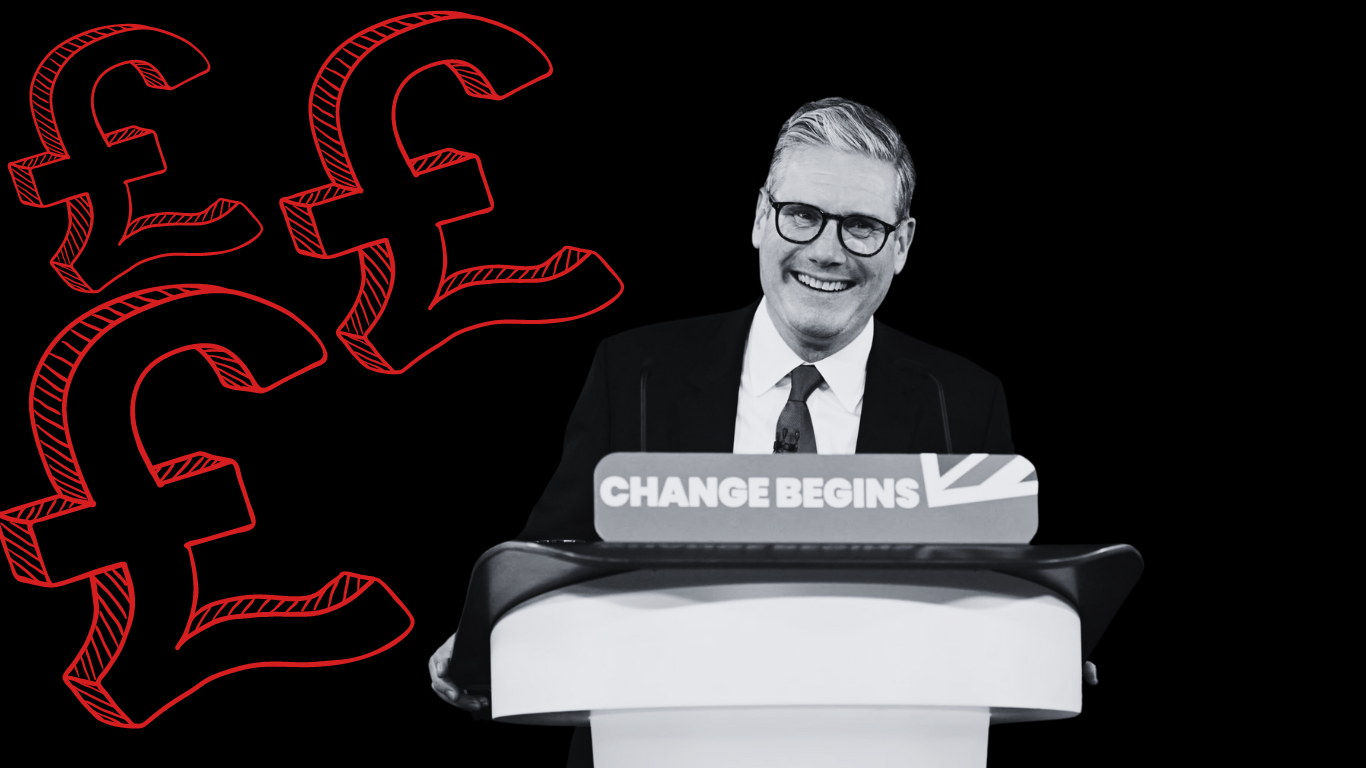
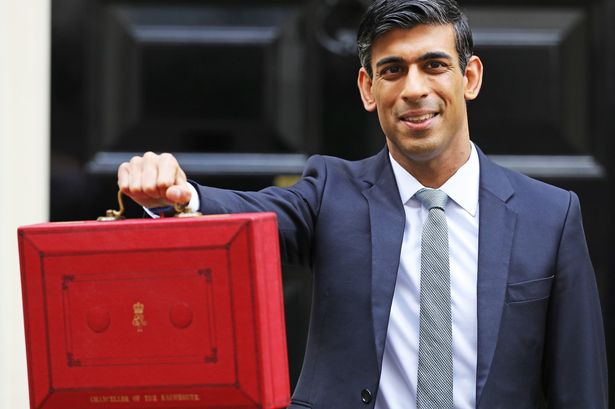
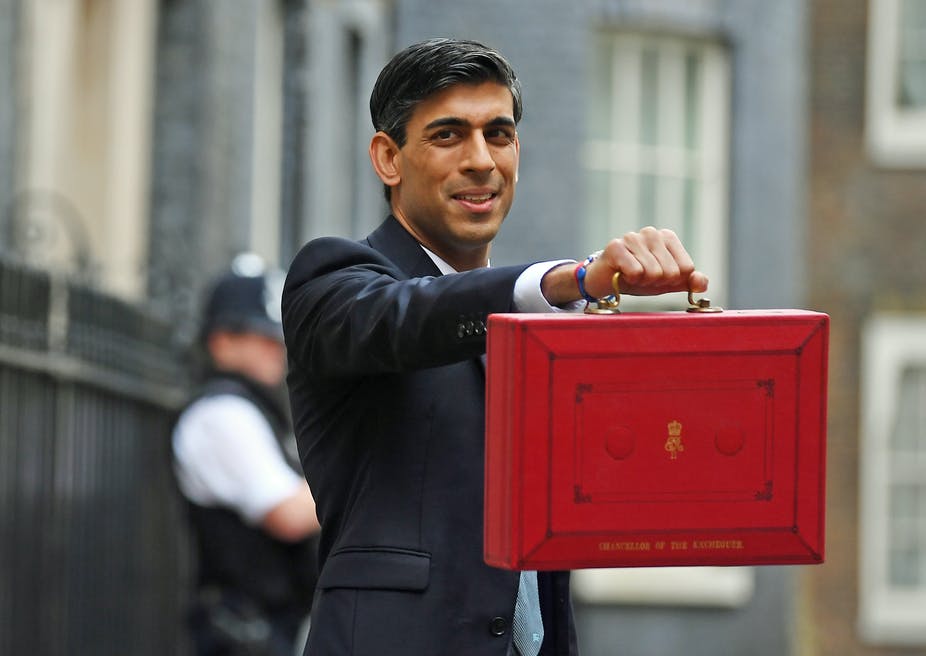
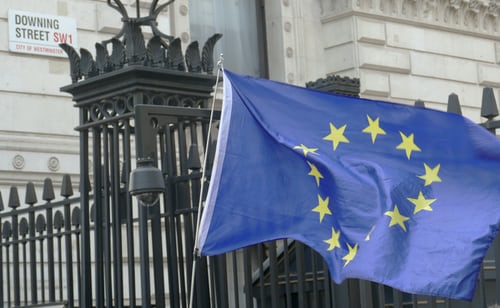
Chancellor Rachel Reeves has announced that the Autumn Budget will take place on 26 November 2025. The timing has surprised many, as most expected an October statement. The delay suggests the Treasury is looking to buy time for more favourable economic conditions and to finalise political decisions with Number 10.
For households and businesses, this means a longer period of speculation and more pressure to prepare ahead of time.
Why the Budget has been delayed
Delaying a Budget is not unprecedented, but it is unusual. Philip Hammond delivered his on 22 November back in 2017, yet most autumn statements fall earlier. Several reasons are at play:
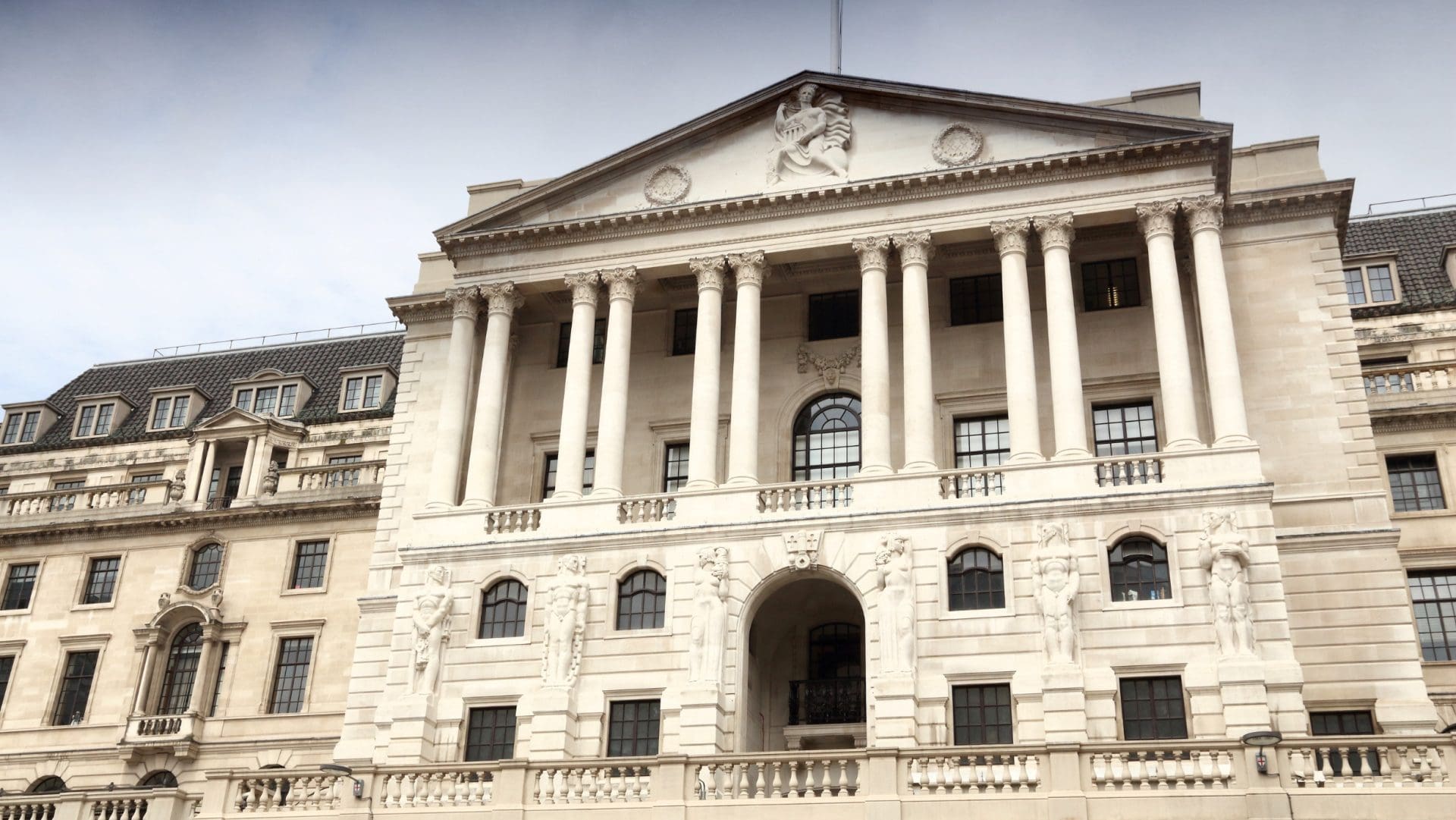
- Economic backdrop: The Bank of England is due to meet on 6 November, with a potential interest rate cut on the table. Reeves may want to respond to any change in monetary policy within her fiscal plan.
- Bond market volatility: UK government borrowing costs have surged, with 30-year gilt yields hitting their highest levels since 1998. A calmer environment in late November could reduce market turbulence when the Budget lands.
- Political strategy: Reeves has drafted in Torsten Bell, former Resolution Foundation chief, to strengthen her advisory team. At the same time, Prime Minister Keir Starmer is expected to exert more influence, following criticism of recent policy U-turns.
The delay allows more time for Number 10 and the Treasury to align on policy while giving markets breathing space.
Key areas that could shape your finances
1. Tax reform is back on the agenda
Reeves has pledged not to increase the rates of income tax, National Insurance or VAT, but that still leaves plenty of room for manoeuvre. Wealth and property taxes are under particular scrutiny:
- Capital gains tax (CGT): Changes to rates or allowances could impact landlords, investors, and business owners.
- Stamp duty: Reform has been rumoured, potentially targeting higher-value properties.
- Council tax: Revaluation of bands or adjustments could hit households with rising property values.
- Inheritance tax (IHT): Gifting rules and thresholds could be altered, particularly as wealth transfers become a bigger focus.
For higher earners and property owners, this could reshape planning decisions over the coming months.
2. Mortgages and housing market pressures
Although long-term gilt yields do not directly dictate two- or five-year mortgage pricing, higher borrowing costs for government can spill over into the housing market. Lenders may keep rates higher for longer, creating challenges for those remortgaging.
At the same time, any reform to stamp duty or council tax could influence buying and selling decisions, particularly in London and the South East. Property investors will need to watch this space closely.
3. Savings and pensions
On the surface, higher gilt yields might appear positive for savers. However, experts warn that interest rates are unlikely to climb further. In fact, a prolonged period of frozen allowances (for ISAs, pensions, and capital gains) may quietly erode returns.
This is why tax-efficient investing and pension planning remain critical — and why households should avoid focusing only on headline announcements.
4. Business investment and growth
For businesses, uncertainty over fiscal policy makes investment decisions more difficult. Reeves has spoken repeatedly about growth and stability, but markets are not yet convinced.
Possible areas of interest include:
- Corporation tax allowances: Will full expensing continue or be adjusted?
- R&D incentives: Support for innovation may shift depending on fiscal headroom.
- Employment levies: While income tax rates are safe, there could be indirect changes that affect payroll and benefits.
Delays in the Budget could see firms putting investment on hold, but this risks lost opportunities if decisions come too late.
5. Political implications
This is Reeves’ second Budget since becoming Chancellor, and it will test Labour’s ability to balance fiscal discipline with promises of fairness. The appointment of Torsten Bell points to a stronger influence from the left of the party, with potential challenges to wealth distribution at the forefront.
Keir Starmer will also be watching closely. Any misstep, particularly another high-profile U-turn, could damage confidence. For households and businesses, this makes November’s Budget about more than just numbers: it is a test of credibility.
How to prepare before the Budget
While it is tempting to wait and see, uncertainty itself can be costly. Here are practical steps to take now:
- Review your tax planning: Use existing allowances for capital gains, pensions, and ISAs before they risk being reduced or frozen.
- Assess your property strategy: Landlords and buyers should consider the potential impact of CGT or stamp duty reform.
- Consider estate planning: Inheritance tax is firmly on the agenda, making it sensible to review wills, trusts, and gifting strategies.
- Plan business investments: Explore whether major spending should be brought forward in case of changes to allowances.
- Avoid knee-jerk reactions: Do not base decisions on rumours alone. The Budget will confirm the detail and we’ll provide analysis once it is delivered.
Our advice at Nordens
At Nordens, we know that financial planning is about being proactive, not reactive. Reeves’ November Budget may bring headlines about tax and property, but often the smaller, quieter changes have the biggest long-term impact.
Get in touch with our advisers today to review your position and ensure you are prepared, whatever the Autumn Budget brings.