The return of Donald Trump to the White House has reignited global trade tensions, as his administration pushes forward a renewed wave of tariffs on imported goods. These wide-reaching changes have already started to influence global markets and are prompting many UK businesses to reconsider how they trade internationally.
While President Trump’s intention is to strengthen American manufacturing and reduce the US trade deficit, the ripple effect is being felt across economies worldwide, particularly in countries like the UK that maintain strong trading links with the US.
At Nordens, we’re here to help you understand what these tariffs mean, how they could impact UK industries, and the practical steps your business can take to stay prepared.
What Are Tariffs?
Tariffs are taxes placed on imported goods when they cross a country’s border. They are charged as a percentage of the value of the goods and collected by the importing country’s customs authority.
For instance, a 10% tariff on a £100 product adds an extra £10 in tax, bringing the total cost to £110. Importers usually pay this tax initially, but in practice, the cost tends to pass down the supply chain. This can lead to either higher prices for consumers, reduced profit margins for businesses, or both.
Tariffs serve several purposes:
- Protecting domestic industries: By making foreign goods more expensive, governments encourage consumers to buy local alternatives.
- Raising government revenue: The additional tax collected can boost public finances.
- Influencing trade relationships: Tariffs can be used strategically to negotiate better deals or penalise countries seen as engaging in “unfair” practices.
However, tariffs can also make everyday goods more expensive, reduce global trade efficiency, and disrupt international supply chains.
What Has Trump Announced?
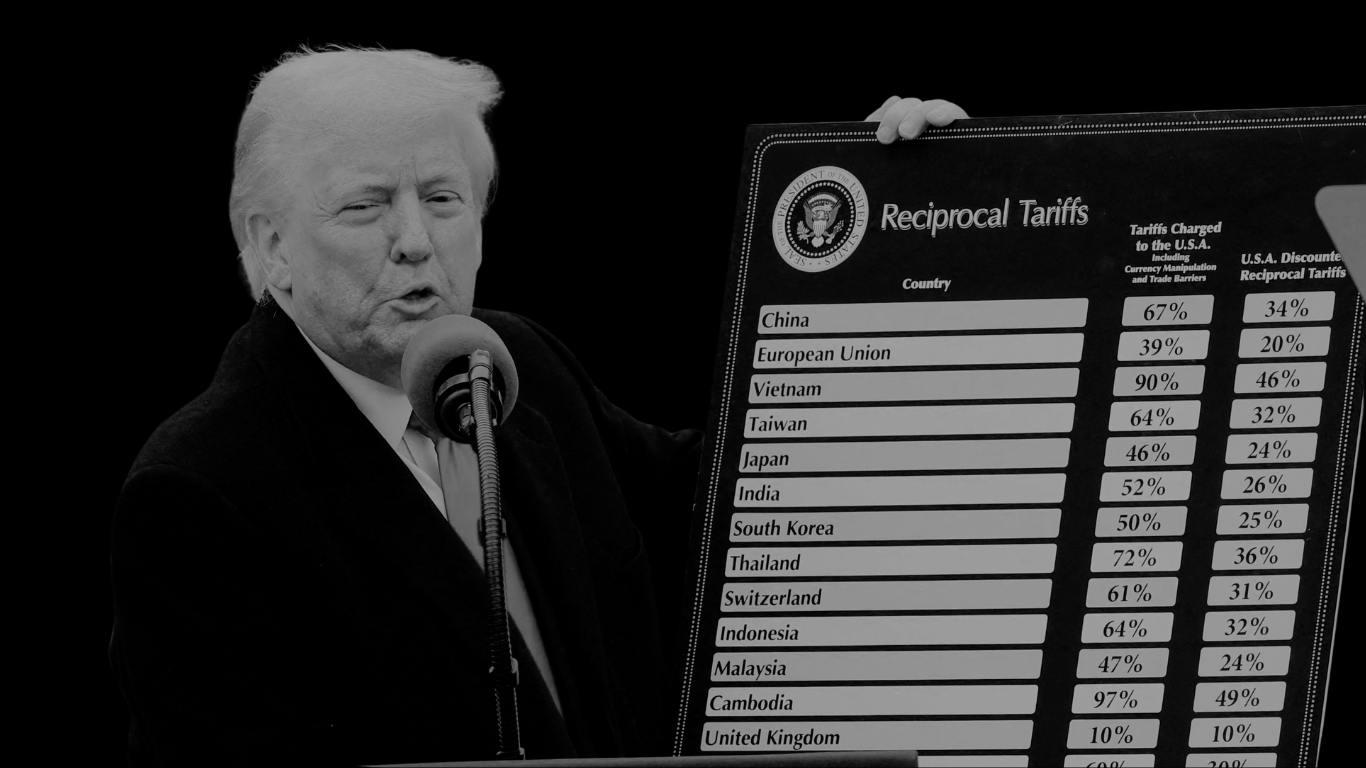
Since returning to office, President Trump has signed a series of executive orders aimed at reshaping global trade. His central policy move is the introduction of a 10% “baseline” tariff on nearly all imported goods entering the United States.
He has also applied higher tariffs to countries he considers “unfair traders” or those with large trade surpluses against the US.
Key examples include:
- 50% tariffs on goods imported from India and Brazil
- 30% tariffs on South African goods
- 20% tariffs on Vietnamese goods
- 15% tariffs on imports from Japan and South Korea
These measures represent one of the largest tariff expansions in modern US history. Trump argues that such actions are necessary to “rebuild America’s industrial base”, bring back jobs that were previously offshored, and reduce dependency on foreign imports.
However, this approach has drawn criticism from economists, who warn that it risks raising global prices, discouraging investment, and triggering retaliatory measures from other nations.
Why Is Trump Using Tariffs?
President Trump’s tariff strategy is rooted in his long-standing “America First” philosophy. He views tariffs as both an economic and political tool to achieve multiple goals.
The key objectives behind his tariff policy include:
- Boosting US Manufacturing: By making imported goods more expensive, Trump hopes to make domestically produced goods more competitive.
- Reducing the Trade Deficit: The US currently imports more than it exports, and tariffs aim to close that gap.
- Raising Revenue: Tariffs create a new income stream for the US government without directly raising domestic taxes.
- Leveraging Political Power: Trump has repeatedly tied tariffs to broader political goals, such as pressuring Mexico and Canada to tighten border controls and combat illegal drug trafficking.
His rhetoric has often been blunt, accusing foreign nations of “cheating” or “pillaging” America. Yet, behind the scenes, the policy has faced delays, amendments, and legal challenges. In August, a US appeals court ruled that several of his tariffs were unlawful, though the Supreme Court is set to hear the case later this year.
What Does the UK’s Deal Look Like?
The UK government moved quickly to negotiate a limited trade arrangement with the US to avoid facing the harshest tariffs. The result is a partial deal that reduces some of the impact but still imposes new costs on UK exporters.
Here’s what the current UK-US arrangement includes:
- A 10% baseline tariff applies to most UK goods sold to the US.
- The first 100,000 UK-made vehicles exported annually face a 10% tariff… beyond this, a 25% tariff applies.
- UK steel and aluminium exports face a 25% tariff, which is lower than the 50% rate imposed on other countries but still significant.
- A mutual beef trade agreement now allows both nations to export beef to each other for the first time in years.
- Certain US ethanol imports will enter the UK duty-free (0%) rather than the usual 19%.
Trump described the deal as “a victory for fair trade”, though the plan to remove tariffs on UK steel entirely has been put on hold indefinitely. During his state visit to Britain, he hinted that he might “fine-tune” the agreement, leaving the door open for further negotiations.
What About the EU?
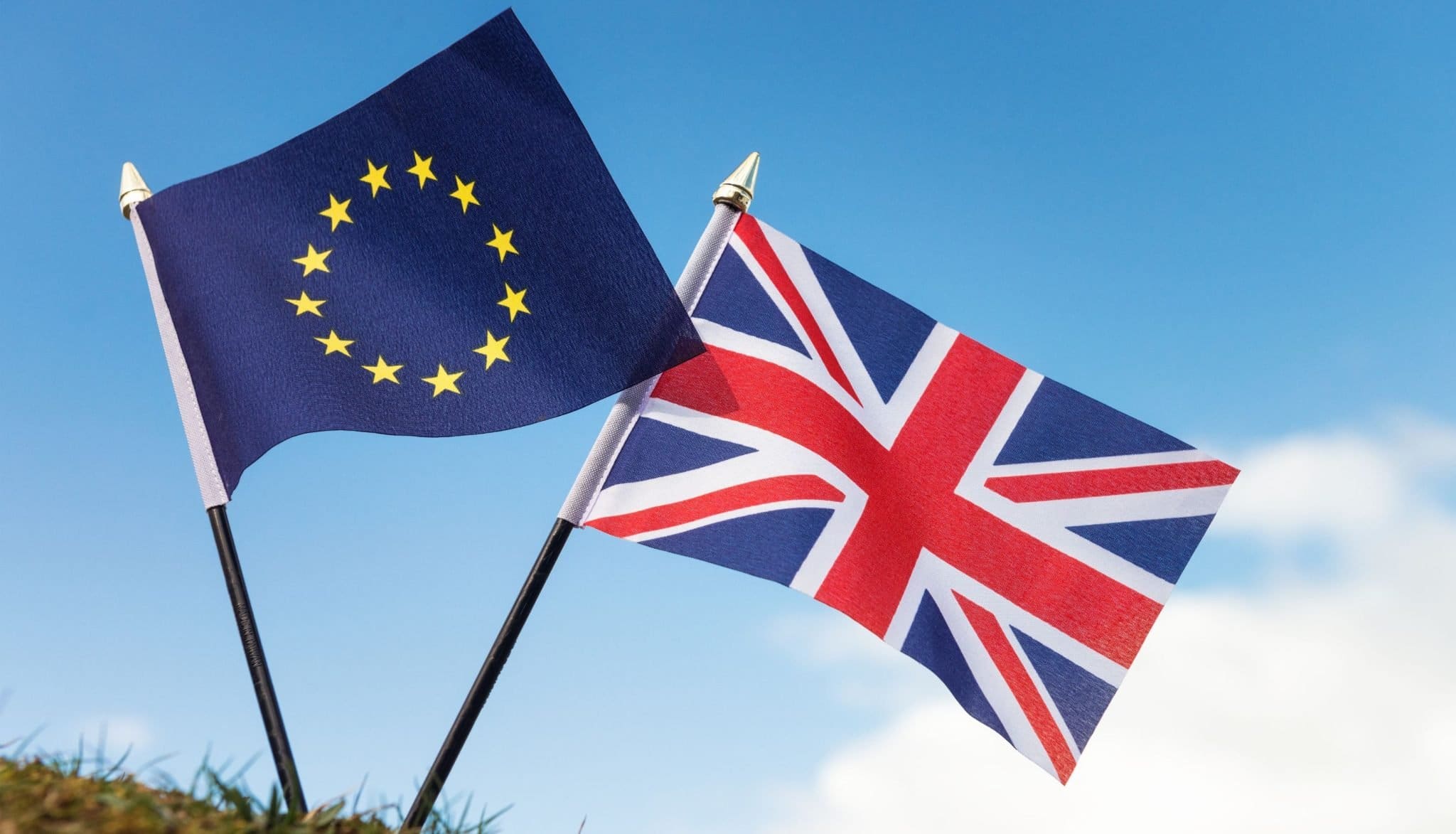
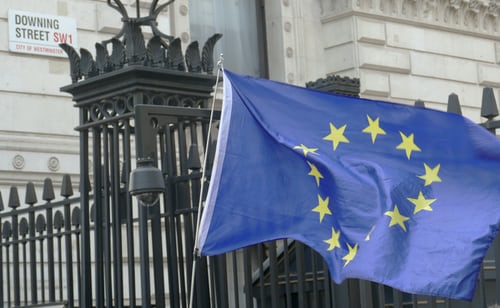
In contrast, the European Union reached a separate framework deal in July 2025. Most EU goods will now face 15% tariffs, roughly half of what was originally proposed. In exchange, the EU agreed to waive duties on certain US products, particularly within the energy, defence, and agricultural sectors.
While this deal temporarily eases tensions, it shows how unpredictable the US’s trade stance has become… leaving both the UK and EU balancing diplomacy with economic caution.
Which Goods Are Most Affected?
Trump’s tariffs span a wide range of industries, but some sectors are facing sharper consequences than others.
1. Steel and Aluminium
These core industrial materials face some of the steepest tariffs. Most countries now pay 50%, while the UK pays 25%. This could impact manufacturers, construction firms, and automotive suppliers dependent on US sales or materials sourced through US intermediaries.
2. Automotive
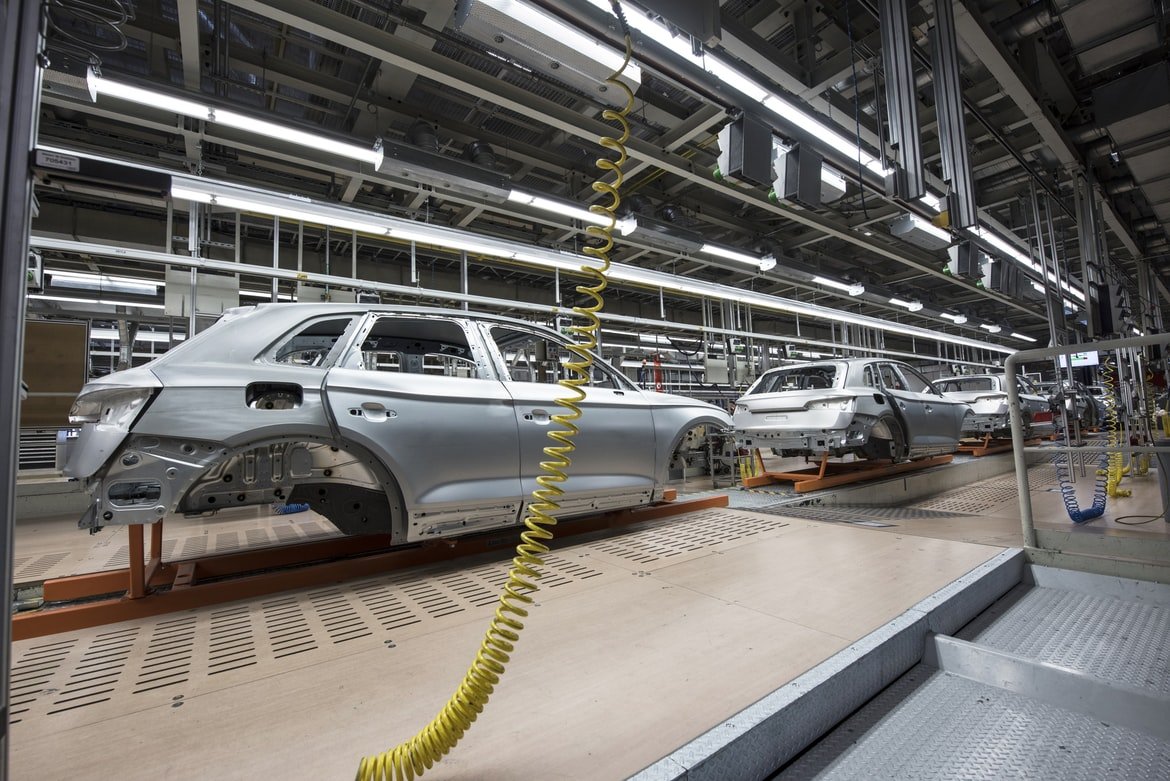
Foreign-made cars and car parts now face a 25% tariff. Given that one in eight British-built cars is exported to the US, this could affect major UK manufacturers such as Jaguar Land Rover and Mini, both of which have already paused shipments while assessing new trading terms.
3. Pharmaceuticals
From October 2025, the US will impose 100% tariffs on branded and patented drugs, unless companies are investing in US-based production facilities. This adds significant uncertainty for UK pharmaceutical giants such as AstraZeneca and GSK, which both rely heavily on the US market.
4. Retail and E-Commerce
Trump has also scrapped the exemption for imported goods valued under $800 (£592). This move affects millions of daily low-cost imports, particularly from online retailers such as Shein and Temu. Each parcel is now taxed, with shipping companies allowed to pay a fixed fee of between $80 and $200 per package during a six-month transition period.
How Might This Affect the UK Economy?
The tariffs may not target the UK directly, but their ripple effects will still be felt across British businesses and households.
1. Higher Prices
Increased costs for imported materials and finished goods could lead to higher prices for UK consumers. Businesses using US components may see reduced profit margins.
2. Exchange Rate Volatility
The pound and dollar have fluctuated significantly since Trump’s announcements. A stronger dollar makes imports from the US more expensive, which can push up costs for UK companies.
3. Job Market Concerns
With reduced demand for UK exports to the US, jobs in industries like automotive, metals, and pharmaceuticals could come under pressure. The Institute for Public Policy Research (IPPR) estimates that more than 25,000 jobs in the UK car manufacturing sector could be affected.
4. Global Economic Uncertainty
The International Monetary Fund has already warned that widespread tariffs could slow global growth. The forecast for 2025 has been revised down to 3%, with further reductions expected if tariff disputes continue.
How Businesses Can Prepare
At Nordens, we encourage businesses to act now. Tariff changes can come quickly, and preparation is key to minimising disruption.
Here are some practical steps:
- Understand Your Exposure
Review your exports and supply chains. Identify which products fall under new US tariff brackets and whether any exemptions apply.
- Review Contracts and Pricing
Check your terms of trade, especially if you sell goods on a Delivered Duty Paid (DDP) basis. You may be responsible for the new tariffs. Consider updating pricing or renegotiating contracts to account for increased costs.
- Monitor Supply Chains
Stay close to suppliers, distributors, and freight partners. Explore diversification if your operations rely heavily on US trade.
- Plan for Currency Movements
The dollar–pound exchange rate will influence your import costs and profitability. Build regular FX reviews into your financial strategy.
- Stay Informed
Trump’s tariff policies are evolving. Some measures have already been amended or delayed. Keeping up-to-date with the latest announcements will help your business respond proactively.
Key Takeaway
Trump’s renewed tariff policies are reshaping international trade and forcing businesses to rethink pricing, sourcing, and export strategies. Although the UK’s agreement softens some of the impact, the wider effects on cost, demand and supply chains are still unfolding.
At Nordens, we help businesses stay ahead of change rather than react to it. Whether you export to the US directly or operate through a global supply chain, we can:
- Review your exposure to US tariffs and build cost-management scenarios
- Support contract and pricing reviews to protect profit margins
- Advise on customs documentation, trade compliance and duty reliefs
- Provide cash-flow forecasting to help you manage short-term pressure
- Identify alternative market opportunities to maintain stability and growth
Staying informed and acting early will make a real difference. Our team is here to help you plan confidently for the months ahead.