
The Autumn Budget delivered many headline announcements, yet one of the most significant changes for the sports industry was tucked away in the tax administration and compliance reforms.
As a firm that advises professional athletes, football clubs and individuals across the wider sports and entertainment sector, Nordens has been reviewing these developments closely. Our tax team has analysed the proposed legislation and the impact is considerable.
From April 2027, HMRC will introduce new rules that change how image rights payments are taxed, affecting professional athletes, clubs and their advisers.
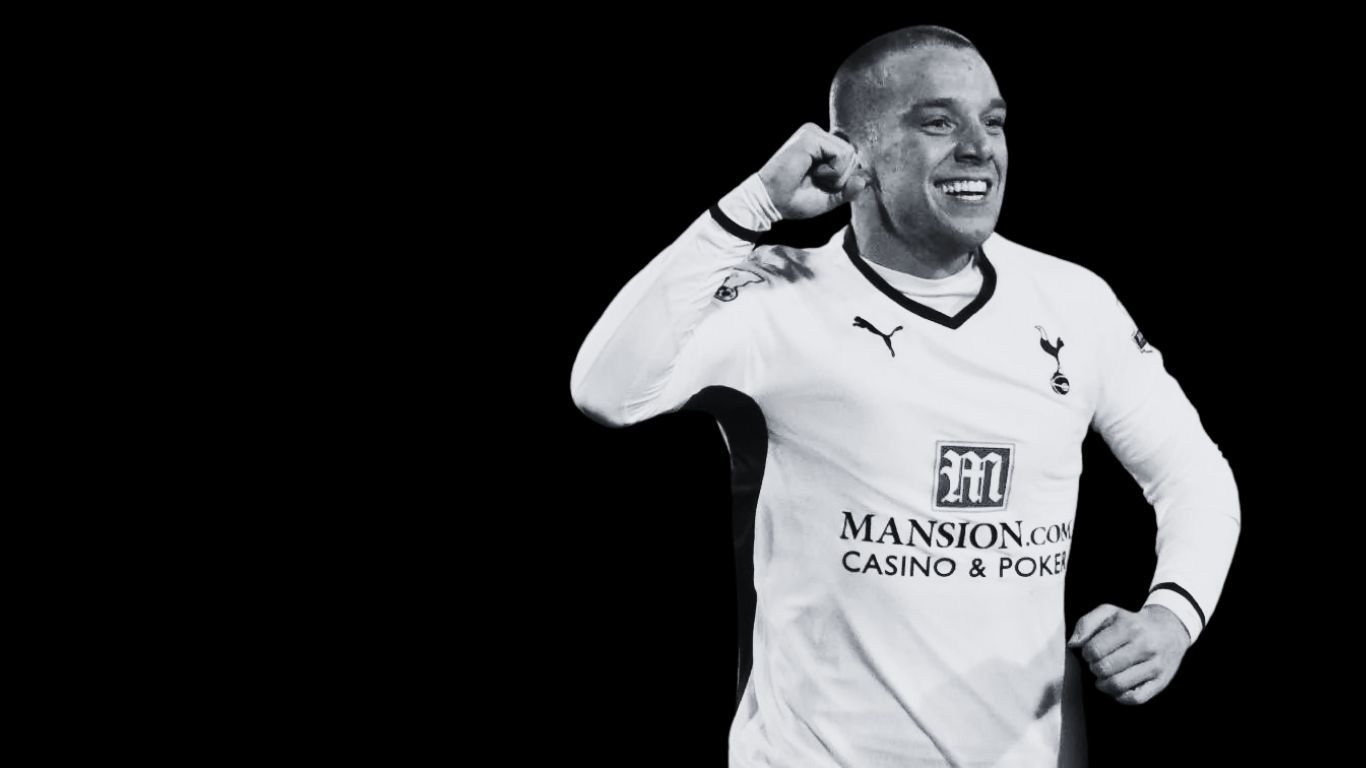
Image rights refer to the legal rights an individual has over their name, likeness and personal brand. For many elite athletes, their commercial value extends far beyond the pitch, and a portion of their remuneration often relates to the use of their image for marketing and promotional work. Historically, these payments have been made to image rights companies, allowing athletes to structure this income separately and plan for long-term investments.
HMRC has challenged this structure for many years. Image rights companies have been at the centre of several high-profile investigations, particularly within the Premier League. HMRC’s long-standingview is that these arrangements can be used to avoid PAYE and National Insurance. The new reforms move to formalise this position, marking a significant shift in how these payments will be treated.
What is changing from April 2027
From 6 April 2027, all image rights payments that have a link to employment will be subject to PAYE and NICs. The government has set April 2027 as the introduction date to give clubs, agents and athletes enough time to review existing arrangements and prepare for the new rules. This places the payments firmly within the employment tax system rather than being taxed at corporate rates through an image rights company.
For athletes, this creates an effective tax rate of around 47% on employment-related image rights. For clubs, employer NICs of roughly 15% will also apply. Although the Treasury expects to raise only around £40 million a year, the impact on remuneration structures in elite sport could be substantial.
What does this mean in practice?
1. Are image rights companies coming to an end
If HMRC can demonstrate that an image rights payment is linked to employment, it must be taxed under PAYE and NICs. This raises serious questions about the continued use of image rights companies for payments that relate to club contracts. More guidance is expected, but the burden of proof will be key.
2. Are sponsorship or third party deals affected
Commercial contracts that are entirely separate from the club employment contract should remain unchanged. External sponsorship deals, brand partnerships and ambassador roles should continue to sit outside PAYE. However, any agreement that is shared between a club and a player, or that can be tied to performance, may need to be amended.
3. What will players and clubs need to do next
This change is likely to drive a wave of contract renegotiations. Clubs will need to consider how to maintain competitive remuneration packages while absorbing a higher employer cost. Players may also face reduced take-home pay unless alternative arrangements are made. There is also the real risk of talent moving overseas, where image rights rules may be less restrictive.
Wider implications for the industry
The well-known case of Sports People and Others versus(v) HM Inspector of Taxes (2000) has long been used as a benchmark for allowing image rights payments outside PAYE. While the ruling still holds authority, HMRC’s new legislation may weaken its practical application.
Although HMRC often presents these arrangements as a tax avoidance mechanism, image rights payments recognise the commercial value an athlete brings to a club. This value can come from off-pitch activity, previous achievements and wider brand influence.
The reforms could also indicate a broader direction of travel for HMRC, suggesting more scrutiny of clubs and players in future compliance checks as the implementation date approaches.
What should athletes, agents and clubs do now
Corporate structures can still be used for legitimate commercial arrangements, but earlier planning will be essential. All existing and upcoming contracts should be reviewed to understand which payments may fall within employment. Clear documentation will be key to reducing risk and avoiding unexpected liabilities.
Our view at Nordens
These reforms will reshape how clubs and athletes structure their affairs over the coming years. The rules are not yet fully defined, and as we have seen with IR35, unclear legislation often creates more questions than answers. The margin for error could become much smaller once the new rules go live.
At Nordens, we work closely with people from the sports industry and the wider entertainment industry. Our tax team can help you:
• Review current contract structures
• Assess exposure to PAYE and NICs under the new rules
• Plan future commercial arrangements
• Protect long-term income and image rights value
If you would like tailored advice ahead of the 2027 changes, contact our team today.